Croissant Recipes at Home
Highlighted under: Simple Sweet Baking
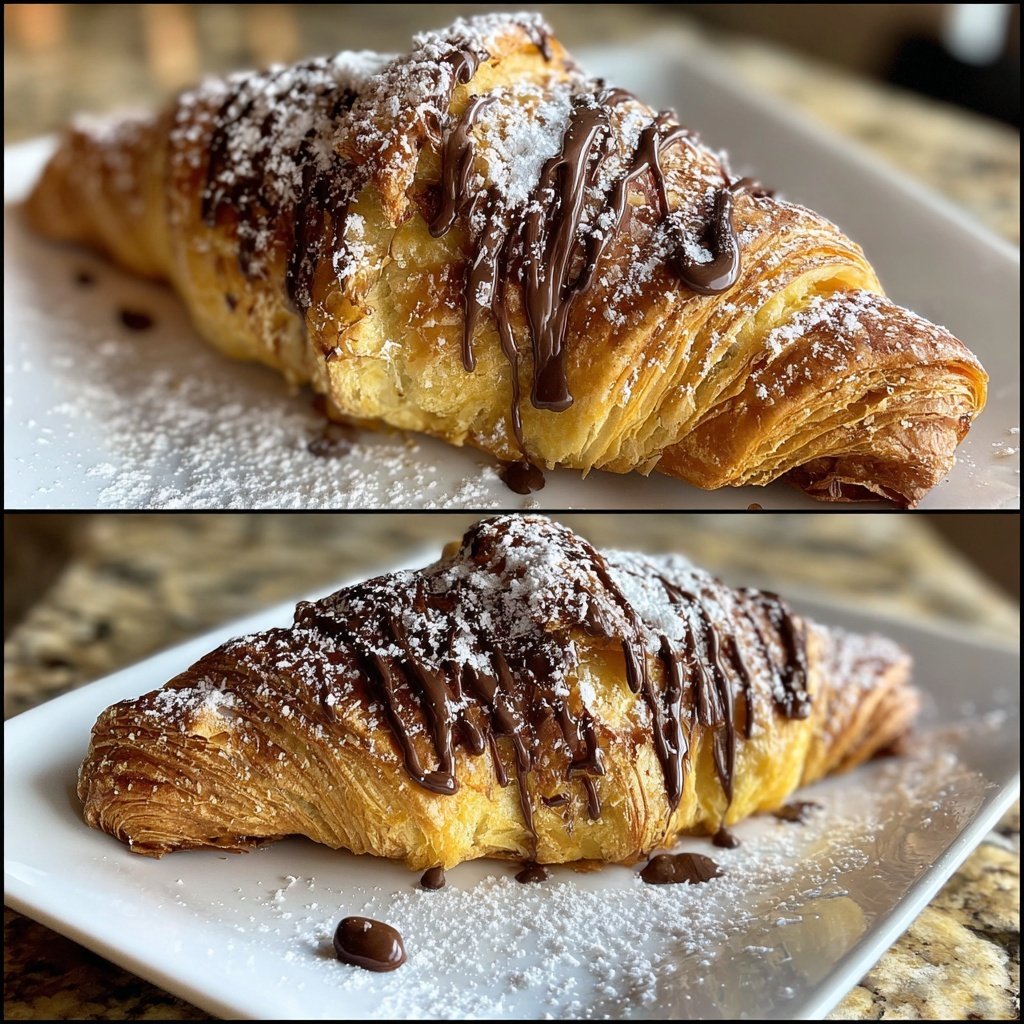
I absolutely love baking croissants at home, and there's something so rewarding about watching them rise and crisp up in the oven. Over the years, I’ve experimented with various techniques to perfect my croissant-making skills. By using a classic laminated dough method combined with quality butter, I've discovered how to achieve that flaky, buttery texture that everyone loves. This recipe will guide you through my tried-and-true process, ensuring you get golden, delicious croissants right from your kitchen.
Baking croissants at home can be an incredibly satisfying experience. I remember the first time I pulled a batch out of the oven, the buttery aroma filling my kitchen. It was important to use high-quality ingredients, especially the butter, as it significantly impacts the flavor and texture of the croissants. I've learned that chilling the dough properly and giving it enough time to rise is key to achieving those perfect layers.
Another essential tip is to ensure your workspace is at a cool temperature. If it's too warm, the butter will melt into the dough instead of remaining as distinct layers. This method of lamination is what creates the wonderful flaky texture that croissants are known for. Trust me; once you've mastered this, you'll want to keep making them!

Why You'll Love These Croissants
- Flaky and buttery texture that melts in your mouth
- Freshly baked aroma that fills your kitchen
- Perfect for breakfast, brunch, or an indulgent snack
Understanding Laminated Dough
Laminated dough is the key to achieving those irresistible flaky layers in croissants. By folding cold butter into the dough multiple times, you create distinct layers that puff up beautifully during baking. Ensure your butter is firm yet pliable; too soft and it integrates into the dough instead of forming pockets. The process involves rolling, folding, and chilling, which is crucial—never rush the chilling stages, as the cold temperature allows for the perfect layering effect.
When rolling out the dough, it's important to maintain an even thickness. Aim for about 1cm; if the dough is uneven, some layers may not rise properly, leading to inconsistent texture. Use a light hand when rolling the dough after each fold to avoid pressing out air pockets that contribute to flakiness. If your dough begins to stick, sprinkle a bit of flour but be cautious not to overdo it, which can alter the dough's hydration levels.
Perfecting the Shape
Shaping croissants can be a bit tricky, but practice makes perfect. When cutting the triangles, ensure each piece is large enough to roll up without tearing. A standard size is about 10cm at the base and 20cm long. Remember, the tighter you roll towards the tip, the more pronounced the crescent shape will be. If you prefer a less tight roll, leave them a bit looser for a more relaxed, airy croissant.
After shaping, let your croissants rise properly. They should double in size, which typically takes about an hour in a warm environment. To help your croissants rise, avoid cold drafts. A good trick is to place them in the oven with just the light on, creating a warm but not hot environment. Once they’ve risen, the visual cue is that the dough should feel soft and puffy and hold an indentation if gently pressed.
Baking Tips for Success
Baking is where the magic happens! Preheating your oven to 200°C (400°F) ensures that you get the initial burst of heat needed for those layers to rise effectively. If you have a baking stone, use it; it helps maintain a consistent temperature, providing even heat distribution for perfect browning. Keep an eye on your croissants during the last few minutes of baking—you're looking for a deep golden color, which indicates they are fully baked and should sound hollow when tapped on the bottom.
Cooling your croissants on a wire rack post-baking is essential to maintain crispiness. Avoid covering them, as steam can make the exterior soggy. If you're baking a larger batch, consider freezing some shaped raw croissants for later. Just place them on a baking sheet after shaping, freeze until firm, then store in freezer bags. To bake from frozen, no need to thaw; simply add a few extra minutes to the baking time for that freshly baked taste, even on busy mornings.
Ingredients
Gather all your ingredients before you start to make the process smoother.
For the Dough
- 500g all-purpose flour
- 60g sugar
- 10g salt
- 15g instant yeast
- 300ml cold water
- 40g unsalted butter (softened)
For the Butter Layer
- 250g cold unsalted butter
For the Egg Wash
- 1 egg (beaten)
- 1 tablespoon milk
Once you have all your ingredients ready, let's move on to the steps!
Instructions
Follow these steps carefully for the best results.
Make the Dough
In a mixing bowl, combine the flour, sugar, salt, and instant yeast. Add the cold water and softened butter. Mix until a rough dough forms. Knead for about 5 minutes until smooth. Cover and let it chill in the fridge for at least 30 minutes.
Prepare the Butter Layer
Place the cold butter between two sheets of parchment paper. Use a rolling pin to flatten it into a rectangle of about 1cm thick. Chill again until firm.
Laminate the Dough
Roll out the chilled dough into a large rectangle. Place the butter on the dough, folding the sides over to encase it. Roll out gently and perform a series of folds (3 folds) every 30 minutes, chilling between each fold.
Shape the Croissants
Roll the laminated dough into a large rectangle, then cut into triangles. Starting from the wide end, roll each triangle toward the point to form a croissant. Place on a lined baking sheet.
Final Rise and Bake
Cover the shaped croissants and let them rise until doubled in size (about 1 hour). Preheat your oven to 200°C (400°F). Brush with the egg wash and bake for 20-25 minutes until golden brown.
Let the croissants cool a bit before serving. Enjoy with your favorite spread!
Pro Tips
- For ultra-flaky croissants, make sure your butter is cold and your dough is kept cool throughout the process. If your kitchen is warm, consider chilling your rolling pin as well.
Ingredient Substitutions
While traditional croissants call for all-purpose flour, you can experiment with bread flour to enhance chewiness due to its higher protein content. Using unsalted butter is preferred, but if you only have salted, reduce the added salt in the dough to avoid overly salty croissants. Additionally, if you’re vegan, cold vegan butter alternatives can work in place of unsalted butter, though the texture may vary slightly.
In terms of sweetening, instead of granulated sugar, you can opt for honey or maple syrup in a reduced amount. Just keep in mind that it may affect the overall hydration balance of the dough, so adjust accordingly by reducing the liquid slightly. Also, for a richer flavor, consider adding a tablespoon of vanilla extract to the dough as an extra step for deliciously aromatic croissants.
Serving Suggestions
Freshly baked croissants are delightful on their own, but you can elevate them even further by offering a selection of spreads. Consider serving with classic accompaniments such as butter and homemade jams, or for something indulgent, pair with chocolate spread or a hazelnut cream. A side of whipped cream or fresh berries can bring seasonal flair during warmer months.
For a brunch twist, slice the croissants and fill them with ingredients like scrambled eggs, smoked salmon, or a mix of fresh greens for a satisfying sandwich option. They also make excellent bases for croissant french toast; soak in a mixture of eggs, milk, and spices, then pan-fry until golden for a deliciously unique breakfast choice.
Questions About Recipes
→ Can I freeze croissant dough?
Yes, you can freeze the laminated dough after shaping. Just wrap tightly and store in the freezer. When ready to bake, let them rise until doubled in size before baking.
→ What is the best way to store baked croissants?
Baked croissants are best enjoyed fresh, but you can store them in an airtight container at room temperature for up to 2 days.
→ Can I make croissants without butter?
While butter is traditional and essential for the flavor and texture, you can try substituting with plant-based margarine for a dairy-free version.
→ What makes croissants flaky?
The flakiness comes from the layers of butter that separate the dough. During baking, the water in the butter turns to steam, causing the dough to rise and create layers.
Croissant Recipes at Home
Created by: Autumn Pierce
Recipe Type: Simple Sweet Baking
Skill Level: Intermediate
Final Quantity: 12
What You'll Need
For the Dough
- 500g all-purpose flour
- 60g sugar
- 10g salt
- 15g instant yeast
- 300ml cold water
- 40g unsalted butter (softened)
For the Butter Layer
- 250g cold unsalted butter
For the Egg Wash
- 1 egg (beaten)
- 1 tablespoon milk
How-To Steps
In a mixing bowl, combine the flour, sugar, salt, and instant yeast. Add the cold water and softened butter. Mix until a rough dough forms. Knead for about 5 minutes until smooth. Cover and let it chill in the fridge for at least 30 minutes.
Place the cold butter between two sheets of parchment paper. Use a rolling pin to flatten it into a rectangle of about 1cm thick. Chill again until firm.
Roll out the chilled dough into a large rectangle. Place the butter on the dough, folding the sides over to encase it. Roll out gently and perform a series of folds (3 folds) every 30 minutes, chilling between each fold.
Roll the laminated dough into a large rectangle, then cut into triangles. Starting from the wide end, roll each triangle toward the point to form a croissant. Place on a lined baking sheet.
Cover the shaped croissants and let them rise until doubled in size (about 1 hour). Preheat your oven to 200°C (400°F). Brush with the egg wash and bake for 20-25 minutes until golden brown.
Extra Tips
- For ultra-flaky croissants, make sure your butter is cold and your dough is kept cool throughout the process. If your kitchen is warm, consider chilling your rolling pin as well.
Nutritional Breakdown (Per Serving)
- Calories: 300 kcal
- Total Fat: 18g
- Saturated Fat: 10g
- Cholesterol: 30mg
- Sodium: 200mg
- Total Carbohydrates: 28g
- Dietary Fiber: 1g
- Sugars: 2g
- Protein: 5g