Baking & Desserts Classic Vanilla Butter Cake
Highlighted under: Simple Sweet Baking
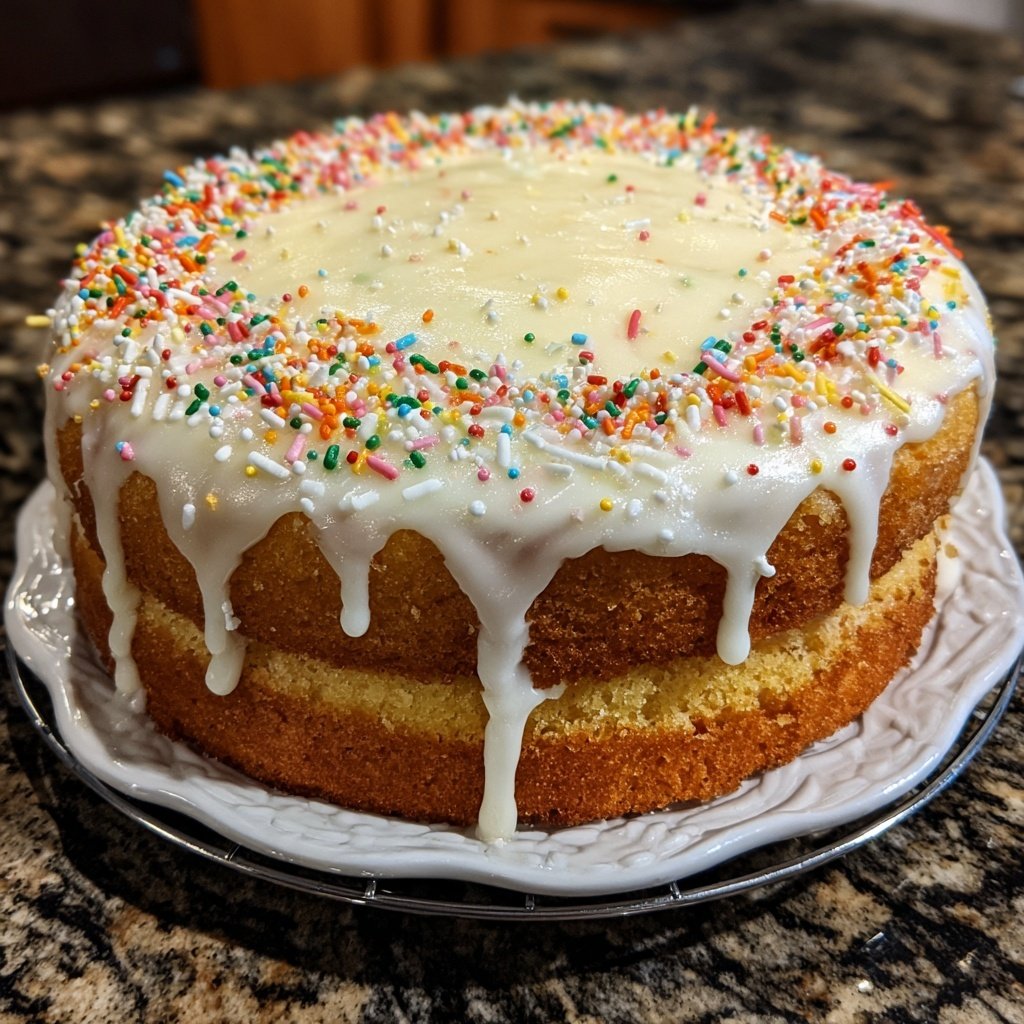
I always find comfort in baking my classic vanilla butter cake. The warm aroma of butter and sugar filling my kitchen is a true delight. This cake has a wonderful, moist texture and a rich vanilla flavor that never fails to impress. Whether I’m celebrating a special occasion or just indulging for the sake of it, this recipe always comes through. Plus, it's incredibly easy to make, and I usually have the ingredients on hand. Let’s dive into this delicious experience!
Baking this vanilla butter cake transports me back to my childhood, where the simple pleasure of homemade treats was the highlight of my day. I recall measuring ingredients with my grandmother, learning the importance of each element in creating a wonderfully textured cake. The careful beating of the butter and sugar until fluffy is crucial; it’s what gives this cake its lightness and richness.
As I experiment with various vanilla extracts, I’ve found that using high-quality pure vanilla often yields the most remarkable flavor. This little tip has made a significant difference in my treats, bringing a delightful depth to each bite. It's not just a cake; it's a memory encapsulated by the warmth of my kitchen.
Why You'll Love This Recipe
- Simple and straightforward ingredients with a classic flavor
- Versatile for any occasion, from casual gatherings to elegant events
- Perfectly moist texture with a delicate crumb that melts in your mouth
Understanding the Ingredients
Each ingredient in this vanilla butter cake plays a crucial role in achieving the desired texture and flavor. For example, the unsalted butter is not just a fat source; it contributes to the cake's richness and moisture. Always ensure your butter is at room temperature, as softening helps incorporate air during creaming, resulting in a lighter cake. If you don’t have unsalted butter, you can use salted, but reduce the salt in the recipe to balance the flavors.
The choice of eggs is equally important. Using large eggs ensures your batter has enough binding capability, leading to a stable structure during baking. Additionally, incorporating eggs one at a time is key. It allows for better emulsification, which helps create a cohesive batter that contributes to the cake’s tender crumb. If you're out of eggs, you can substitute each egg with ¼ cup of unsweetened applesauce or a flaxseed meal mixture for a vegan option.
Baking Tips for Success
When it comes to baking, especially for this vanilla butter cake, accuracy is paramount. Use a kitchen scale to measure your flour instead of relying solely on volume measurements. Over-packing flour can lead to a dry, dense cake. Aim for around 240 grams of all-purpose flour for optimal results. Additionally, sift the dry ingredients as mentioned—it aerates the flour and removes any lumps, which is essential for achieving a light texture.
Pay close attention to mixing—the goal is a well-combined batter without overmixing. Overmixing at this stage can lead to a tough cake due to excessive gluten development. When you add the milk, mix just until the flour is incorporated. You’ll want to stop when the batter looks slightly lumpy; this helps keep your cake tender. For ideal doneness, look for a golden color on the top and a slight spring when you lightly press on the surface.
Storing and Serving Your Cake
This vanilla butter cake can be made ahead of time and stored properly for later enjoyment. Once fully cooled, wrap the cakes in plastic wrap and store them at room temperature for up to two days. For longer storage, freeze the layers wrapped in plastic and then foil for up to three months. When ready to enjoy, let them thaw overnight in the fridge and bring them back to room temperature before serving for the best flavor and texture.
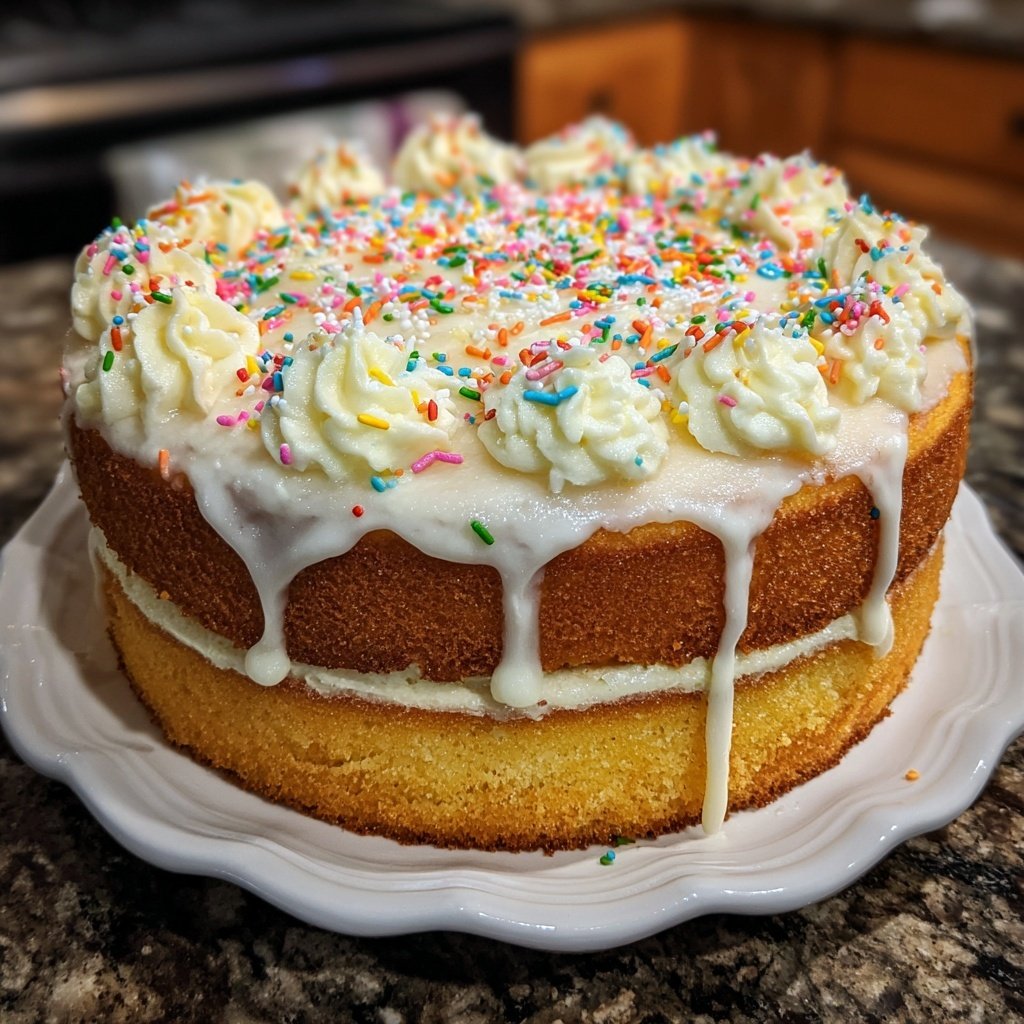
For serving, this classic cake pairs wonderfully with a light dusting of powdered sugar or a simple vanilla glaze. For added richness, consider topping it with a whipped cream frosting or fresh berries. If you're feeling adventurous, try adding a layer of lemon curd or a chocolate ganache between the cake layers for a delightful twist. The plain cake itself is so versatile that it can easily adapt to various flavor profiles.
Ingredients for Classic Vanilla Butter Cake
Classic Vanilla Butter Cake Ingredients
- 2 cups all-purpose flour
- 1 ½ cups granulated sugar
- 1 cup unsalted butter, softened
- 4 large eggs
- 1 cup whole milk
- 1 tablespoon baking powder
- 2 teaspoons pure vanilla extract
- ½ teaspoon salt
Make sure all ingredients are at room temperature for best results.
Instructions for Baking Vanilla Butter Cake
Preheat the Oven
Preheat your oven to 350°F (175°C). Grease and flour two 9-inch round cake pans.
Mix the Butter and Sugar
In a large mixing bowl, cream the softened butter and sugar together until light and fluffy, approximately 3-5 minutes.
Add Eggs and Vanilla
Add eggs one at a time, mixing well after each addition. Stir in pure vanilla extract.
Combine Dry Ingredients
In a separate bowl, sift together the flour, baking powder, and salt.
Mix Everything Together
Gradually add the dry ingredients to the butter mixture, alternating with the whole milk, beginning and ending with the dry ingredients. Mix until just combined.
Pour into Pans
Divide the batter evenly between the prepared cake pans and smooth the tops.
Bake
Bake in the preheated oven for about 30-40 minutes, or until a toothpick inserted into the center comes out clean.
Cool and Serve
Allow the cakes to cool in the pans for 10 minutes before transferring to a wire rack to cool completely.
Enjoy a slice of this classic cake on its own, or with a dusting of powdered sugar or your favorite frosting!
Pro Tips
- For an extra burst of flavor, try adding a teaspoon of almond extract or a dash of citrus zest to the batter.
Troubleshooting Common Issues
Baking can sometimes lead to unexpected results, but many problems can be fixed with a little knowledge. If your cake domes in the center, it may be due to an overly hot oven or a recipe imbalance. Make sure your oven temperature is accurate with an oven thermometer, and consider reducing the temperature by 25°F (about 15°C) if this is a recurring issue. On the contrary, a very flat cake could indicate that you didn’t beat the butter and sugar enough or overmixed after adding the flour.
Another common issue is a dry cake. If you find your cake dry after baking, it often means either the baking time was too long or there was too much flour. Always double-check your measurements, and when testing for doneness, use a toothpick inserted at the center; it should come out clean but not too dry.
Scaling the Recipe
If you want to make a larger cake for a special occasion, scaling this recipe is straightforward. For a three-layer cake, simply multiply each ingredient by 1.5. Use 3-inch round pans for a tiered look or 11x15-inch for a sheet cake. Just remember that baking times will vary according to the size and shape of your cake, so always check for doneness a few minutes earlier than you think to ensure a perfect bake.
To make a smaller version, cutting the recipe in half works well for a single-layer cake. Use smaller pans, and keep an eye on the oven closely, as a smaller cake will bake more quickly. This adaptability is part of what makes this vanilla butter cake a staple in my recipe arsenal.
Questions About Recipes
→ Can I use a different type of flour?
Yes, you can use cake flour for a lighter cake, but the texture may vary slightly.
→ How should I store the cake?
Store the cake in an airtight container at room temperature for up to 3 days or in the refrigerator for a week.
→ Can I freeze the cake?
Absolutely! Wrap the cooled cake tightly in plastic wrap and freeze for up to 3 months.
→ What can I use instead of eggs?
You can use unsweetened applesauce or flaxseed meal mixed with water as an egg substitute.
Baking & Desserts Classic Vanilla Butter Cake
Created by: Autumn Pierce
Recipe Type: Simple Sweet Baking
Skill Level: Beginner
Final Quantity: 8 servings
What You'll Need
Classic Vanilla Butter Cake Ingredients
- 2 cups all-purpose flour
- 1 ½ cups granulated sugar
- 1 cup unsalted butter, softened
- 4 large eggs
- 1 cup whole milk
- 1 tablespoon baking powder
- 2 teaspoons pure vanilla extract
- ½ teaspoon salt
How-To Steps
Preheat your oven to 350°F (175°C). Grease and flour two 9-inch round cake pans.
In a large mixing bowl, cream the softened butter and sugar together until light and fluffy, approximately 3-5 minutes.
Add eggs one at a time, mixing well after each addition. Stir in pure vanilla extract.
In a separate bowl, sift together the flour, baking powder, and salt.
Gradually add the dry ingredients to the butter mixture, alternating with the whole milk, beginning and ending with the dry ingredients. Mix until just combined.
Divide the batter evenly between the prepared cake pans and smooth the tops.
Bake in the preheated oven for about 30-40 minutes, or until a toothpick inserted into the center comes out clean.
Allow the cakes to cool in the pans for 10 minutes before transferring to a wire rack to cool completely.
Extra Tips
- For an extra burst of flavor, try adding a teaspoon of almond extract or a dash of citrus zest to the batter.
Nutritional Breakdown (Per Serving)
- Calories: 380 kcal
- Total Fat: 26g
- Saturated Fat: 15g
- Cholesterol: 195mg
- Sodium: 85mg
- Total Carbohydrates: 32g
- Dietary Fiber: 3g
- Sugars: 24g
- Protein: 6g